

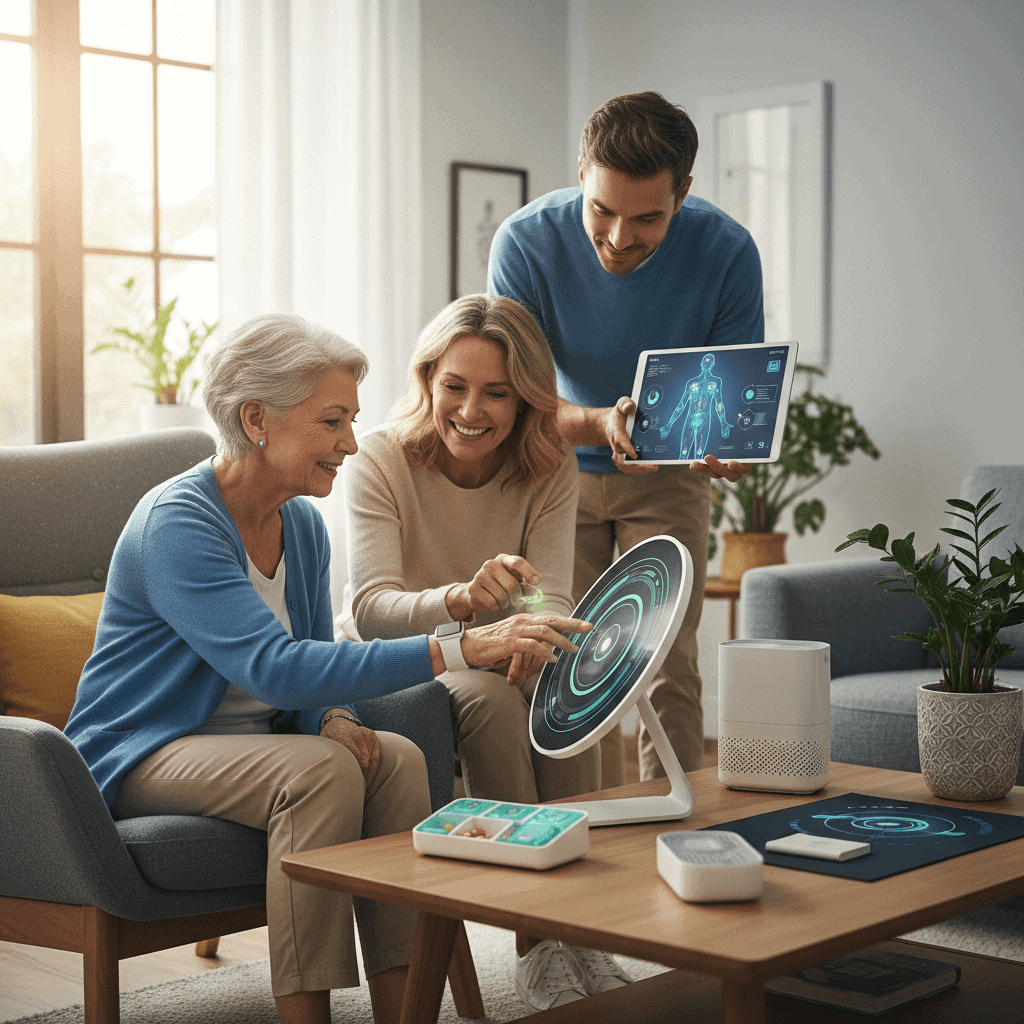
As an educator, I constantly see how important clear information is for making good decisions. This holds true for family members looking into wellness technology for seniors. Modern technology gives us many tools to support the health and independence of our older loved ones. It is not just about fancy gadgets either.
These devices can help manage health conditions. They can also keep seniors connected to family and friends. And they can offer a sense of security for everyone involved. My goal here is to guide you through selecting the best wellness technology for seniors, making the process less overwhelming and more effective.
I believe that choosing the right tools means looking beyond the surface features. We need to consider how these tools truly fit into someone’s daily life and what real benefits they offer. Thinking about these factors helps us find solutions that truly make a difference for older adults.
Understanding the Unique Needs of Seniors
When we talk about selecting the best wellness technology for seniors, we must first recognize that seniors are not a single group. Each person has unique needs and preferences. What works wonderfully for one older adult might not be suitable for another. For example, some seniors might be very tech-savvy and comfortable with smartphones and smart home devices. Other individuals might find complex interfaces frustrating or confusing.
I always suggest starting with a conversation. Ask your senior loved one what challenges they face daily. Ask what they would like help with. This could range from remembering medications to staying active or simply feeling safer at home. Their input is gold and will guide your choices much better than guessing.
We should also consider any existing health conditions. A senior with limited mobility will have different needs than someone with mild memory issues. The technology should assist them where they need it most. It should not add more stress. Accessibility is a big factor so look for devices with large buttons or voice control features.
Tailoring Technology to Individual Abilities
We see many seniors who want to maintain their independence for as long as possible. Technology can be a powerful ally in this mission. But the key is choosing technology that matches their current abilities. A device that is too complicated will sit unused. One that is too simplistic might not offer enough support.
I have observed that gentle introductions to new tech work best. Start with one device or one feature. Let them get comfortable with it before adding more. This approach builds confidence and reduces resistance. Some seniors might benefit from devices that require minimal interaction, like automatic fall detection systems or smart medication dispensers.
For others who are more engaged, wearable fitness trackers or video calling tablets can be fantastic. The aim is to enhance their life, not complicate it. So we must pick technology that feels intuitive and helpful from the very first use.
Key Types of Wellness Technology for Seniors
There is a wide range of wellness technology available designed specifically for seniors. Knowing the categories can help narrow down your search. We can divide these into a few main areas, each addressing different aspects of well-being. Thinking about these groupings can simplify your choices.
One common type is safety and emergency monitoring. These systems include medical alert devices with fall detection, GPS trackers for those prone to wandering, and smart home security systems. These tools offer peace of mind for both seniors and their families. They provide quick access to help when it is needed most.
Another area focuses on health management. This includes smart pill dispensers, blood pressure monitors that sync with apps, and telehealth platforms. These technologies make it easier to track health data and connect with doctors remotely. They empower seniors to take an active role in their health.
Connecting and Engaging with Communication Tools
Staying connected is vital for emotional wellness, and technology offers many ways to do this. We have seen a rise in user-friendly communication tools designed for older adults. These can combat feelings of isolation and keep family ties strong. Simple video calling devices, for example, allow face-to-face conversations with grandkids. They do not require a complicated setup.
Smart displays can show photos and allow voice commands for calls or reminders. These devices make communication easier than ever. Social media platforms with simplified interfaces can also help seniors connect with friends and communities. This connection is not just about talking. It is about sharing experiences and feeling part of something bigger.
I often suggest exploring digital photo frames that family members can update remotely. These frames bring joy and a constant visual connection to loved ones. They are a simple, yet powerful, form of wellness technology that brightens a senior’s day. Finding ways to bridge distance emotionally is always a worthwhile goal.
Cognitive and Activity Support
Wellness technology also extends to supporting cognitive function and promoting physical activity. Brain-training apps and digital games can help keep minds sharp. They offer engaging challenges that are fun and beneficial. Some devices, like robotic pets, can even provide companionship and stimulate interaction without the responsibility of a live animal.
Wearable fitness trackers are popular for encouraging movement. They can monitor steps, heart rate, and sleep patterns. These trackers motivate seniors to stay active and set achievable fitness goals. They often have simple displays and long battery life. This makes them easy for older adults to use daily.
I find that personalized music players or smart speakers can also greatly improve mood and cognitive engagement. Music has a strong positive effect on memory and emotion. These devices allow seniors to easily access their favorite tunes or listen to audiobooks. This enhances their quality of life. We should look for tools that cater to individual interests and provide enjoyment.
Prioritizing Ease of Use and Accessibility
For any technology to be useful, it must be easy for the intended user to operate. This is especially true when selecting the best wellness technology for seniors. A device packed with features means nothing if it is too confusing to turn on or navigate. I always look for simplicity first. If a senior cannot easily understand how to use a device, they simply will not use it.
We should seek out interfaces that are clean and uncluttered. Look for large, clear buttons or touch targets. The text should be legible, with good contrast. Voice-activated controls are also a huge advantage, as they remove the need for fine motor skills or precise button presses. Many seniors appreciate technology that responds to their voice.
Consider the setup process too. Will it require a lot of technical know-how from the senior or family members? Simpler installation means quicker adoption and less frustration. We want the technology to feel like a natural extension of their daily routine, not a new chore.
Features that Enhance User Experience
Beyond basic ease of use, some features truly boost the user experience for seniors. These elements often address common age-related challenges. One such feature is robust battery life. Seniors might forget to charge devices regularly, so a long-lasting battery is a must. This prevents the device from becoming unusable during critical times.
Automatic updates and low maintenance are also very helpful. No one wants to constantly troubleshoot a gadget. Devices that mostly manage themselves are ideal. Clear, audible alerts and notifications are also important. They help ensure information is not missed. This is critical for medication reminders or emergency calls.
I also pay attention to physical design. Devices should be comfortable to wear if they are wearables. They should be stable if they sit on a surface. Materials should be durable and easy to grip. These thoughtful design choices make a big difference in daily practical use. We want technology that feels good to interact with every day.
Considering Privacy and Data Security
As we integrate more technology into our lives, privacy and data security become increasingly important. This is especially true for wellness technology used by seniors. These devices often collect sensitive personal information, including health data, location, and daily activity patterns. We must ensure this data is protected.
Before purchasing any device, I always recommend researching the company’s privacy policy. Understand what data they collect. Find out how they use it. See if they share it with third parties. A reputable company will be transparent about these practices and have strong safeguards in place. It is a fundamental right to know how our information is handled.
Look for devices with encryption features. Check for secure user authentication methods. We should also be mindful of who has access to the device and its associated apps. Sharing passwords should be done with extreme caution. We want to protect our loved ones from potential data breaches or misuse of their personal information.
Safeguarding Personal Information
Protecting a senior’s personal information involves more than just reading privacy policies. It also means actively managing settings and educating users. Many devices allow you to customize privacy settings. You can limit the data collected or shared. I always advise adjusting these settings to the highest level of privacy possible.
We should also use strong, unique passwords for all accounts linked to wellness technology. Enable two-factor authentication whenever it is available. This adds an extra layer of security. It makes it much harder for unauthorized individuals to gain access. Regular software updates are also key. They often include security patches that fix vulnerabilities.
I also remind people to be wary of phishing attempts or suspicious communications related to these devices. Scammers often target seniors. They try to trick them into giving up personal information. A helpful resource for understanding what to prioritize in these devices can be found at On Better Living. Educating both the senior and their caregivers about these risks is a vital step in ensuring their digital safety.
Cost and Long-Term Value
Budget is often a practical consideration when selecting wellness technology for seniors. Prices can vary widely, from affordable basic trackers to expensive comprehensive home monitoring systems. It is important to find a balance between cost and the value a device offers. The cheapest option might not always be the best choice if it lacks essential features or reliability.
I advise looking beyond the initial purchase price. Many devices come with subscription fees for monitoring services or advanced features. These recurring costs can add up over time. Make sure you understand all potential expenses before committing. A slightly more expensive device with no monthly fees might be more economical in the long run.
Think about the durability and expected lifespan of the technology too. A well-built device that lasts for several years offers better value than a cheaper one that needs frequent replacement. We want an investment that provides consistent benefits. It should not create ongoing financial burdens.
Assessing Return on Investment for Wellness Technology
The “return on investment” for wellness technology is not always financial. It often comes in improved quality of life, greater independence, and reduced stress for caregivers. For example, a fall detection system could prevent a costly hospital stay. This offers significant value beyond its price tag. Similarly, a video calling device might not save money, but it greatly enriches social connections and emotional well-being.
I encourage families to consider the indirect benefits. If a device helps a senior stay at home longer, that could save a lot compared to assisted living costs. If it reduces caregiver burden, that is also a huge benefit. We should weigh these intangible benefits carefully against the monetary cost. The true value often lies in the positive impact on daily life and overall happiness.
We should also consider future needs. Will the device grow with the senior as their needs change? Some systems are modular, allowing for additional features to be added later. Choosing flexible technology can prevent the need for complete overhauls down the line. This forward-thinking approach can save money and hassle.
Integrating Technology into Daily Routines
The success of any wellness technology for seniors greatly depends on how well it integrates into their existing daily routines. Technology should feel like a helpful assistant, not an intrusive change. I have found that devices that naturally fit into a senior’s lifestyle are the ones that get used most consistently. We do not want to force new habits that feel unnatural.
Consider where and how the device will be used. Will it be something worn all day? Will it sit on a bedside table? Is it part of a morning routine? The easier it is to incorporate, the more likely it is to be adopted. For instance, a smart speaker placed in the kitchen might be used daily for reminders or music during meal prep. It becomes a seamless part of the environment.
Involve the senior in the integration process. Ask them where they would prefer a device to be placed. Show them how it connects to something they already do. This makes them feel like they own the technology. It also increases their willingness to use it regularly. We are aiming for comfort and familiarity, so the technology enhances life without disruption.
Tips for Smooth Adoption
To ensure smooth adoption, I suggest a few practical steps. First, provide clear and simple instructions. Avoid technical jargon. Use plain language to explain how the device works and its benefits. Visual aids can also be very helpful. These include large print manuals or simple diagrams.
Second, offer ongoing support. Be available to answer questions or troubleshoot small issues as they arise. Patience is key during this learning phase. A little encouragement goes a long way. This support builds confidence in using the new technology. It also reinforces its value.
Third, celebrate small victories. When a senior successfully uses a new feature or achieves a health goal with the help of technology, acknowledge it. Positive reinforcement encourages continued use. It also helps them see the tangible benefits. This approach fosters a positive relationship with the technology. It helps them feel empowered by it.
Bringing it All Together for Senior Wellness
Selecting the best wellness technology for seniors involves careful thought and consideration. As I always emphasize in my teaching, informed decisions come from understanding the full picture. We have looked at how to identify individual needs. We have explored the various types of technology available. We also considered the crucial factors of ease of use, data security, cost, and seamless integration into daily life.
My experience shows that the most successful technology choices are those made with the senior at the center. Their comfort, preferences, and abilities must drive the selection process. It is not about finding the most advanced gadget. It is about finding the right tool that genuinely enhances their safety, health, and happiness. We want technology to be an enabler of a fulfilling life for our older adults.
So, take the time to research. Talk to your loved ones. Test different options if possible. Remember that this technology is a means to an end. It should support their independence and quality of life. It should not complicate it. By carefully evaluating these points, you can make confident choices. You can bring effective wellness technology into their lives. This will provide lasting benefits for everyone involved.