

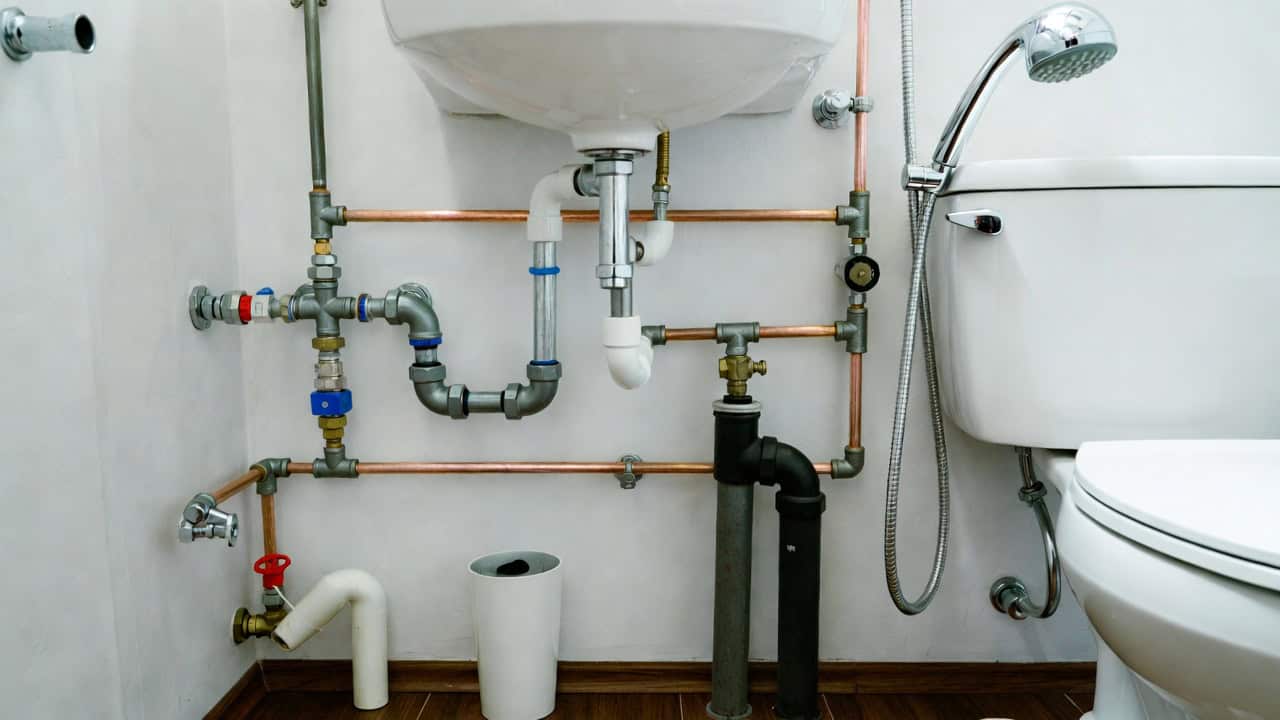
Plumbing problems hit homeowners like a sudden thunderstorm, turning simple days upside down. Slow drains clog up the flow, and pipe bursts burst into chaos, causing pricey fixes if ignored. Spotting common troubles early and knowing simple tricks to stop or fix them saves both time and cash. Learning these secrets gives peace of mind and keeps the home running smooth. Dive in to discover how avoiding plumbing disasters can feel like catching lightning in a bottle.
This article walks through Common Residential Plumbing Needs with practical examples and clear tips. Whether you are troubleshooting a minor clog or planning maintenance for a water heater you will find actionable guidance and simple decision criteria for when to call a professional.
Common Residential Plumbing Needs for Kitchens
Kitchens see a lot of water use and are frequent sites of plumbing trouble. Typical needs include clogged drains, garbage disposal jams, faucet leaks, and under sink pipe leaks. Each problem has a different risk profile and repair path.
- Clogged drains often start slow then worsen. Food particles, grease, and soap scum combine with mineral deposits from hard water.
- Garbage disposal jams can usually be fixed safely with the unit turned off and a hex key at the bottom of the unit. Never use your hands inside a disposal while it is powered.
- Faucet drips are commonly caused by worn washers or cartridges. Replacing these parts can stop the drip and lower your water bill.
Quick checks to try before calling a technician include removing visible debris from the drain, running hot water with dish soap to flush grease, and tightening loose faucet fittings. If leaks are visible under the sink or there is persistent slow drainage after basic clearing attempts it is time to bring in a trained plumber to prevent water damage and mold growth.
Common Residential Plumbing Needs for Bathrooms
Bathrooms face heavy use and have multiple fixtures that can fail. Frequent complaints include clogged toilets, shower and tub drain problems, leaky valves, and low water pressure. Many of these problems are repairable by a homeowner with basic tools, but some need professional care.
Toilet issues and remedies
Toilet clogs are usually a result of too much paper, non-flushable items, or a stubborn obstruction in the trap or drain line. A flange-level blockage may require a toilet auger. Replacing a worn flapper can stop constant running and save significant water over time.
Shower and tub drain care
Soap scum and hair build-up are the main causes of slow drains. Use a drain screen to trap hair and periodically remove accumulated gunk. For persistent clogs a plumbing snake reaches deeper than a simple plunger. If you smell sewer gas or experience recurring clogs it could indicate a vent or sewer line problem that requires professional diagnosis.
Common Residential Plumbing Needs related to Leaks and Pipe Repairs
Leaky pipes are among the most serious household plumbing concerns because even small leaks can lead to structural damage over time. Common points of failure include older joints, corroded copper, failing fittings, and freeze damage in colder climates.
Signs to watch for
Spotting a slow leak early is the best way to limit damage. Watch for unexplained increases in your water bill, damp spots on ceilings or walls, flaking paint, and a musty smell in cabinets. Visible signs such as pooling water, rust stains, or active drip points require immediate attention.
When to repair or replace
Small pinhole leaks in accessible copper or PEX can sometimes be patched temporarily using saddle clamps or epoxy wrap. However aged pipe systems with multiple leak points usually justify replacement of a section or the whole run. A professional can evaluate pipe material, water quality, and access to recommend the most cost effective choice long term.
Common Residential Plumbing Needs with Water Heaters
Water heaters require routine attention to stay reliable. Typical needs include temperature control problems, sediment build-up, pilot light or ignition failure on gas units, and leaking tanks. An older tank losing efficiency or dripping from the bottom often means replacement is the most practical option.
- Flushing the tank annually reduces sediment that lowers efficiency and can clog valves.
- Temperature and pressure relief valve checks are important safety steps. If these valves drip replace them promptly.
- Setting temperature near 120 degrees Fahrenheit balances comfort and energy use while limiting scald risk.
For tankless systems routine descaling keeps burners functioning correctly when water has high mineral content. If you notice rusty water, no hot water, or loud rumbling from a tank it is time for inspection or replacement discussions.
Common Residential Plumbing Needs for Drain Cleaning and Clogs
Drain cleaning is one of the most requested plumbing tasks. Clogs can occur at any point from the fixture to the main sewer line. Understanding the likely location helps narrow the response.
- Fixture level clogs such as sinks and tubs are often hair or food related and can be cleared with a plunger or a hand auger.
- Main line clogs cause multiple fixtures to back up. Signs include toilets backing up when a washer drains. These problems often need a motorized snake or hydrojetting to clear tree roots and heavy buildup.
Preventive steps include running hot water periodically to flush grease, using drain screens, and limiting what goes down garbage disposals. If you have recurring slow drains consider a video inspection to find the true cause so you do not waste time on surface fixes.
Preventive Maintenance and Seasonal Care for Common Residential Plumbing Needs
Routine maintenance reduces surprise repairs and extends the life of plumbing components. A few small tasks each season keep systems running smoothly.
- Inspect exposed pipes for signs of corrosion or leaks and tighten visible fittings.
- Insulate exterior pipes before cold weather to prevent freeze breaks.
- Test shutoff valves for smooth operation so you can act quickly if a leak occurs.
- Flush water heaters and check pressure relief valves annually.
- Clean showerheads and aerators to remove mineral deposits that lower flow.
Keeping receipts and records of maintenance helps when evaluating repairs or replacements. For example if you can show a technician that a water heater has been flushed every year they can factor that into a diagnosis and a repair plan.
How to choose help for Common Residential Plumbing Needs
When a problem goes beyond simple DIY fixes selecting the right professional matters because quality work prevents repeat problems and hidden damage. Look for a licensed plumber with clear estimates, good reviews, and transparent warranty terms. Ask about experience with the specific issue you face such as sewer line work, tankless water heaters, or slab leak detection.
For homeowners in the Clarcona area a local provider with presence in the neighborhood can reduce response time for emergencies and offer familiarity with common local issues such as hard water or tree root intrusion. One dependable option to review for local service is https://www.brightwaterplumbingorlando.com/ which lists services, coverage area, and contact options for quick scheduling.
Choosing a plumber is also about clear communication. Ask for a written scope and a breakdown of costs before work begins. If excavation or major replacement is needed get two estimates and confirm permit requirements. A good professional will explain options, show you the affected area, and propose a repair path that matches the condition of your system and your budget.
Common Residential Plumbing Needs are predictable but varied. Some problems fit an easy routine fix while others require specialized gear and experience. Keep a simple toolkit with a plunger, hand auger, adjustable wrench, and plumber tape. Regular inspections and seasonal checks will reduce surprise repairs and extend the life of fixtures and pipes.
When you face a stubborn problem document what you see take photos and record any changes such as water bill spikes or discoloration. That information speeds a diagnosis and leads to a correct repair. If you prefer not to handle repairs yourself choose a licensed local professional with experience in residential systems. Quick response for leaks and timely maintenance for water heaters and drains will protect your home and prevent higher costs down the line.
Ready to tackle your plumbing list or schedule a service call start by checking your priority items and deciding which tasks you can handle safely. For urgent leaks turn off the main water supply and contact a nearby professional right away. If you want help evaluating options or setting a maintenance plan reach out for an inspection and clear, written recommendations tailored to your home.